
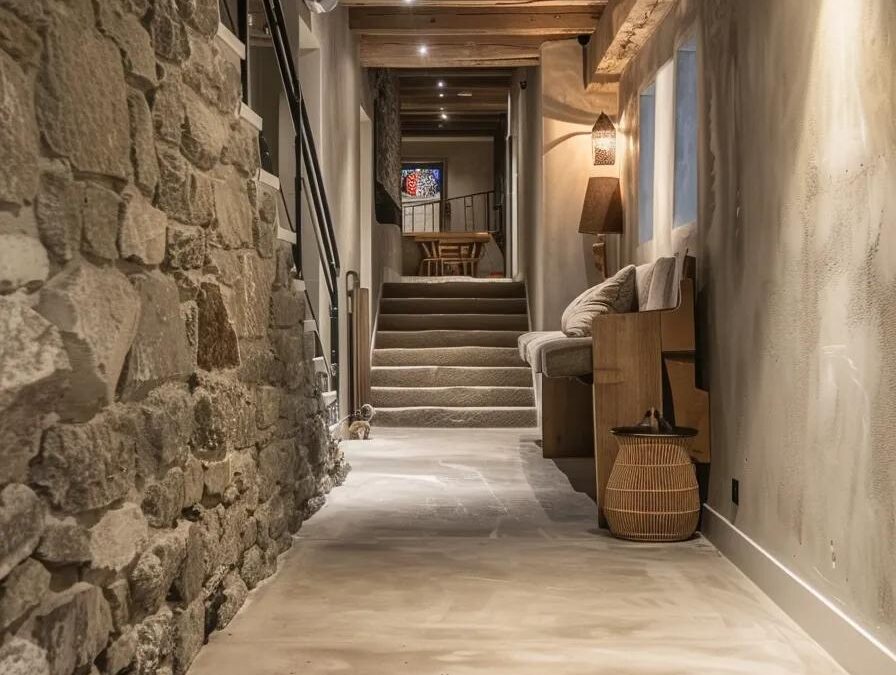
Complete Basement Renovation Guide: Ideas, Costs, Trends, and Contractors
A basement renovation transforms underused subgrade space into functional, value-driving living area that increases usable square footage and boosts resale appeal. This guide explains what a basement renovation is, why homeowners invest in basement remodeling, and how thoughtful finishing, waterproofing, and contractor selection combine to deliver a safe, comfortable finished basement. Many homeowners face dampness, low ceilings, and unclear budgets; this article provides practical solutions that address moisture control, insulation, layout, and realistic cost planning while highlighting design trends and contractor vetting strategies. You will learn high-value finished-basement ideas, current 2024–2025 cost ranges and budgeting steps, the latest design and smart-tech trends, effective waterproofing approaches, and a step-by-step contractor selection checklist. Throughout the guide we use terms like basement renovation, basement remodeling, basement finishing cost, and basement waterproofing to map options for kitchens, bathrooms, home gyms, theaters, and guest suites while keeping energy-efficiency and moisture control top of mind.
What Are the Best Basement Finishing Ideas for Functional and Stylish Spaces?
Basement finishing transforms raw space by adding walls, flooring, lighting, and mechanical upgrades to create livable rooms that address family needs and increase home value. Well-executed basement remodeling balances spatial zoning, moisture-resistant materials, and adequate HVAC to deliver comfort and longevity; this combination prevents common failures like mold and poor indoor air quality. Prioritizing flexible, multi-use layouts lets homeowners switch functions, work, exercise, entertainment, while keeping finishes durable and stylish. The following ideas and design choices focus on maximizing utility, minimizing moisture risk, and achieving attractive, resale-friendly results.
Introductory ideas for basement finishes include home gyms, home offices, entertainment areas, guest suites, playrooms, and wet bars. Each space type benefits from moisture-tolerant flooring, zoned lighting, and targeted ventilation to prevent humidity buildup. Below are focused design points for common basement room types and material recommendations to guide selection and budgeting.
Basement spaces and recommended finishes:
This comparison highlights how each space type requires different material priorities: gyms need impact-resistant flooring, offices demand acoustics and connectivity, theaters require soundproofing, and guest suites need egress and moisture-controlled finishes. With these priorities clear, the next step explores detailed design approaches for specific functional zones.
How to Design a Home Gym, Office, or Entertainment Area in Your Basement
Designing functional basement zones starts with clear zoning and a simple circulation plan that separates noisy from quiet areas while ensuring egress and mechanical access. For a home gym, prioritize resilient flooring, easy-to-clean wall finishes, and direct ventilation or a dehumidifier to manage sweat and humidity; position heavy equipment near structural supports and leave 3–4 feet of clear circulation space around major machines.
In a home office, focus on task lighting, strong Wi-Fi or wired Ethernet runs, and acoustic treatments such as fabric-wrapped panels or bookshelves that double as sound diffusers; position desks near the brightest wall and use layered lighting for video calls.
For entertainment areas or a home theater, plan for low-reflectance wall colors, stepped seating if space allows, and a combination of acoustic insulation and floating drywall to reduce sound transmission; ensure HVAC ducts are insulated to prevent noise and condensation.
Each of these layouts benefits from modular furniture and integrated storage so spaces can transition between uses, which leads into material choices that both look good and resist basement-specific challenges.
What Materials and Finishes Enhance Basement Comfort and Aesthetics?
Choosing materials for basements means balancing moisture tolerance, thermal performance, and aesthetics, durability should lead selection. Engineered wood and luxury vinyl plank (LVP) offer warm aesthetics with improved moisture resistance compared with solid hardwood, while tile is ideal for bathrooms and wet bars due to impermeability; use waterproof underlayments and break joints at thresholds to control moisture migration. For walls and ceilings, moisture-resistant drywall or cement board where water risk is higher helps avoid mold and deterioration; consider suspended ceilings or painted drywall ceilings depending on clearance and mechanical access needs. Insulation such as closed-cell spray foam or rigid foam on exterior walls improves thermal comfort and acts as a vapor retarder, while area rugs and upholstered furnishings add comfort and sound absorption.
Prioritizing low-VOC paints and recycled or sustainably sourced finishes supports healthier indoor air quality and aligns with modern energy-efficiency trends, which prepares the space for technology and value-focused upgrades discussed next.
How Much Does a Basement Remodel Cost and How to Budget Effectively?
A basement remodel cost varies widely based on scope: basic finishing often starts at lower ranges, while additions like full bathrooms, kitchens, structural repairs, or full waterproofing increase costs significantly. In 2024–2025, homeowners should expect a wide cost-per-square-foot range depending on region and finish level; core cost drivers include square footage, bathroom additions, structural work, insulation and waterproofing, and quality of finishes. Effective budgeting begins with a site inspection for moisture and structural assessments, followed by a prioritized scope list—address waterproofing and code-compliant egress before finishing aesthetics to avoid costly rework. The short answer: plan for a baseline that accounts for labor, materials, permits, and contingencies, then scale finishes based on resale value and personal use.
Common cost drivers to include in your budget:
- Size and scope: Larger square footage multiplies base costs and finish quantities.
- Structural or foundation repairs: Any wall, beam, or footing work increases cost.
- Bathroom or kitchen additions: Plumbing, venting, and fixtures significantly raise budgets.
- Waterproofing and moisture control: Interior or exterior systems and sump pumps add upfront cost but protect investment.
- Permits and inspections: Local code compliance and egress requirements add time and expense.
To make these drivers easy to compare, the table below breaks out typical cost ranges and elements.
This table clarifies that bathrooms and waterproofing are among the largest single-line items in a basement remodel. Start budgets by addressing structural and moisture mitigation, then allocate remaining funds to high-ROI finishes such as bathrooms and smart HVAC, which we examine next.
What Is the Average Cost Per Square Foot for Basement Renovations in 2025?
Average cost per square foot depends on finish level: basic livable finishes land toward the low end, while bespoke luxury builds with bathrooms, kitchens, and extensive systems reach the top. In current market conditions, prioritizing waterproofing and an egress window where required delivers higher resale value per dollar than purely cosmetic upgrades because buyers value safety and habitability.
When deciding which upgrades to prioritize, include a simple ROI-oriented checklist: install or verify waterproofing first, add a bathroom where feasible, and use mid-range durable finishes for flooring and paint to maximize appeal. Documenting all structural and mechanical upgrades clearly in renovation records helps during appraisals and future resale.
How to Maximize ROI When Planning Your Basement Remodel
Maximizing ROI focuses on durable updates and features that appraisers and buyers recognize as adding livable square footage. High-ROI improvements commonly include adding a full bathroom, installing reliable waterproofing systems, and ensuring legal egress, these reduce buyer perception of risk and increase usable bedroom or suite counts.
Choose finishes that look modern but are durable, engineered wood or LVP, neutral paint palettes, simple built-ins, and avoid hyper-personalized designs that narrow buyer appeal. Finally, keep mechanical upgrades visible in documentation: upgraded HVAC zoning or insulation improves energy-efficiency narratives and supports higher valuations, which prepares you for trends discussed next.
What Are the Latest Basement Design Trends for 2025?
Basement design in 2025 emphasizes multi-functionality, wellness integration, and sustainable smart-home technology to create adaptable, year-round living space that supports modern lifestyles. Designers are combining open-plan concepts with subtle zoning, using lighting, rugs, and furniture to define areas, so a single basement can serve as an office by day and an entertainment hub by night. Wellness-oriented features such as small saunas, dedicated low-impact exercise zones, and enhanced air-quality systems reflect homeowner interest in health-focused spaces. Sustainability trends favor closed-cell spray foam and rigid foam for insulation, low-VOC finishes, and reclaimed or recycled surface materials to reduce embodied carbon while improving comfort.
Key trend components include:
- Multi-functional zoning using lighting and built-ins.
- Wellness areas like compact saunas and dedicated recovery spaces.
- Smart tech integration for HVAC, dehumidification, lighting, and security.
These trends require precise coordination between design, mechanical, and waterproofing decisions so technology and finishes perform reliably in basement conditions—advantages that we’ll make practical in the following subsections.
How Are Multi-Functional Spaces and Open Concepts Shaping Basement Designs?
Multi-functional basements use semantic zoning, defining activity areas via furniture, lighting, and partial partitions rather than full walls, to keep spaces flexible and accessible. Convertible furniture, built-in storage, and fold-away partitions let a single open plan handle a home office, play area, and entertainment center without permanent walls that limit future changes. Designers recommend planning mechanical and electrical runs with modularity in mind so circuits, HVAC zones, and network points can support shifting needs; this reduces renovation cost for future repurposing. Thoughtful zoning maintains thermal and acoustic comfort by grouping noisy functions away from quiet sleeping or office areas and ensuring local ventilation.
What Smart Home Technologies and Sustainable Materials Are Popular in Basements?
Smart-home technology in basements focuses on automated moisture control, HVAC zoning, and low-profile lighting (dimmable LEDs and scene control) to manage comfort and energy use. Automated dehumidifiers and smart thermostats with baseload sensing help preserve finishes and reduce condensation risk, while integrated security and video systems increase household safety for lower-level living spaces.
Sustainable materials like closed-cell spray foam, rigid foam board insulation, recycled-content carpeting, and low-VOC paints are popular because they improve thermal performance and indoor air quality. When integrating smart tech, plan for adequate conduit and Wi-Fi or wired Ethernet to avoid dead zones and allow future upgrades without invasive work.
How to Waterproof Your Basement and Control Moisture Effectively?
Waterproofing prevents water intrusion and humidity-related problems by combining structural, drainage, and vapor-control measures tailored to the house’s condition and site drainage. Interior waterproofing addresses existing leaks with drain tile and sump pumps, while exterior systems, excavation and membrane, tackle persistent hydrostatic pressure; both approaches aim to redirect water away from foundations and keep interior humidity within safe limits. Complement structural methods with vapor barriers, proper insulation (rigid or closed-cell foam), and mechanical dehumidification to control relative humidity. Start with a moisture assessment—visual inspection, humidity monitoring, and, if needed, professional testing—so the chosen solution matches the risk level and budget.
Interior vs exterior waterproofing solutions compared:
This comparison shows exterior excavation is more invasive and costly but can be necessary where groundwater pressure is persistent; interior systems and sump pumps provide effective solutions for many retrofit projects. Once waterproofing is selected, integrate HVAC and insulation choices to maintain comfortable, dry conditions.
What Are the Best Interior and Exterior Waterproofing Solutions?
Interior solutions like French drains, perimeter drain tile, and reliable sump pumps are practical for many finished basements because they manage incoming water without major exterior excavation. These systems channel water to a sump basin and pump it away from the foundation, and are often paired with interior sealants and vapor barriers to reduce minor seepage and humidity. Maintenance considerations include testing sump pumps, ensuring battery backup, and inspecting interior coatings; regular maintenance reduces the risk of basement failures and protects finished interiors.
Exterior excavation with a membrane or drainage mat is a more comprehensive fix when hydrostatic pressure or soil saturation drives persistent leaks, but it requires excavation, regrading, and often added exterior drainage.
How Do Egress Windows and Insulation Improve Basement Safety and Comfort?
Egress windows provide required emergency exit routes and allow natural light, which increases habitability and legal bedroom counts when installed to code. Installing an egress window typically involves cutting an opening, adding a well or stairwell, and confirming compliance with local height and width requirements; this upgrade often increases resale value by converting a room into a legal bedroom.
For insulation, closed-cell spray foam and rigid foam panels are preferred on foundation walls because they resist moisture and add R-value without trapping vapor; batt insulation can work when paired with a continuous vapor retarder. Together, egress and proper insulation improve safety, comfort, and energy performance, making basements more attractive for everyday use and resale.
How to Choose the Right Basement Renovation Contractor for Your Project?
Selecting the right contractor ensures code-compliant work and reduces the risk of costly mistakes; the right professional will verify waterproofing needs, permit requirements, and coordinate trades for plumbing, electrical, and structural work.Start by creating a short list of contractors with specific basement experience and request portfolios or case studies showing similar projects. Compare written bids that separate scope items—waterproofing, framing, MEP (mechanical, electrical, plumbing), finishes—so you can evaluate price differences and contractor assumptions.Before contacting contractors, prepare a clear scope and inspection report so conversations focus on solutions rather than vague estimates. Next, use this checklist of questions to structure interviews and vetting.
What Questions Should You Ask Potential Basement Contractors?
- Do you have experience with basement waterproofing and egress installations? A good answer cites methods and examples.
- Can you provide references for recent basement remodels? Contacting references verifies quality and reliability.
- Who manages permits and inspections, and what permits are required? Clear permit responsibility prevents delays and fines.
- How do you handle unexpected structural or moisture findings? Look for change-order policies and contingency planning.
- What warranties or post-completion support do you provide? Understand coverage for waterproofing, structural repairs, and finishes.
These questions reveal whether a contractor anticipates basement-specific challenges and plans proactively; next, watch for red flags that indicate higher risk.
What Are the Red Flags to Avoid When Hiring Basement Renovation Experts?
Avoid contractors who give vague estimates, lack relevant portfolios, or decline to put scope and timelines in writing, these are signs of poor project controls.
Unusually low bids that omit key items like waterproofing or permit fees often lead to expensive change orders that exceed the original price.
Other red flags include poor communication, missing insurance or licensing documentation, and unwillingness to provide references who confirm timely, quality work.
If any of these appear, pause and seek alternatives; a reliable contractor will offer transparent bids, clear timelines, documented references, and specific solutions for moisture and egress challenges to protect your investment.
About the Author
David Chen, Certified Home Renovation Specialist (CHRS)
David Chen is a Certified Home Renovation Specialist with over 15 years of experience in residential construction and remodeling, focusing on sustainable and value-driven property enhancements. Holding a degree in Construction Management, David has successfully overseen hundreds of projects, from complex structural repairs to complete basement transformations. His expertise spans advanced waterproofing techniques, energy-efficient insulation systems, smart home technology integration, and meticulous project budgeting. David is passionate about empowering homeowners with practical, expert-backed a
dvice to navigate their renovation journeys confidently, ensuring both aesthetic appeal and long-term structural integrity. He regularly contributes to industry publications, sharing insights on cost-effective solutions and emerging design trends.