
ClickCease

Add Value to Your Home with a Permitted Project: Maximizing ROI and Ensuring Compliance

Homeowners often seek ways to enhance their property value, and one of the most effective methods is through permitted projects. Sometimes in order to save money, homeowners do not pull permits or pay licensed and insured contractors for their project, but those projects will not count towards the value of your home later.

This article will explore how obtaining the necessary building permits can significantly increase your home’s value while ensuring compliance with local regulations. By understanding the importance of permits, the types of projects that require them, and the potential return on investment (ROI), homeowners can make informed decisions that benefit both their property and their peace of mind. We will cover essential topics, including the impact of permitted projects on home appraisals, the risks of unpermitted renovations, and best practices for executing a successful home improvement project.

Why Are Building Permits Essential for Increasing Home Value?

Building permits are crucial for homeowners looking to increase their property value legally and safely. They ensure that renovations comply with local building codes and safety standards, protecting both the homeowner’s investment and the well-being of future occupants. Permits also play a significant role in the appraisal process, as appraisers often consider whether a project was completed with the necessary approvals. This compliance not only enhances the property’s marketability but also mitigates potential legal issues down the line.

How Do Permits Protect Your Investment and Ensure Safety?

Permits safeguard investments by ensuring that all renovations meet established safety standards. For instance, electrical and plumbing work must adhere to specific codes to prevent hazards such as fires or water damage. By obtaining the necessary permits, homeowners can avoid costly repairs and liabilities associated with unpermitted work. Furthermore, insurance companies may require proof of permits before covering damages related to renovations, making compliance essential for financial protection.

What Is the Impact of Permitted Projects on Home Appraisals?

Permitted projects can significantly influence home appraisals. Properties with documented renovations that comply with local codes typically appraise higher than those with unpermitted work. Appraisers often view permitted projects as a sign of quality and safety, which can enhance the overall perception of the property.

Studies suggest that homes with permitted renovations can see an increase in value of approximately 5-15% compared to similar homes without such improvements, making permits a wise investment for homeowners.

What Are the Permit Requirements for Basement Finishing Projects?

Basement finishing projects often require specific permits to ensure compliance with local building codes. Homeowners should familiarize themselves with these requirements before starting any renovation work. Understanding the necessary permits can streamline the renovation process and prevent delays.

Which Basement Renovations Typically Require Permits?
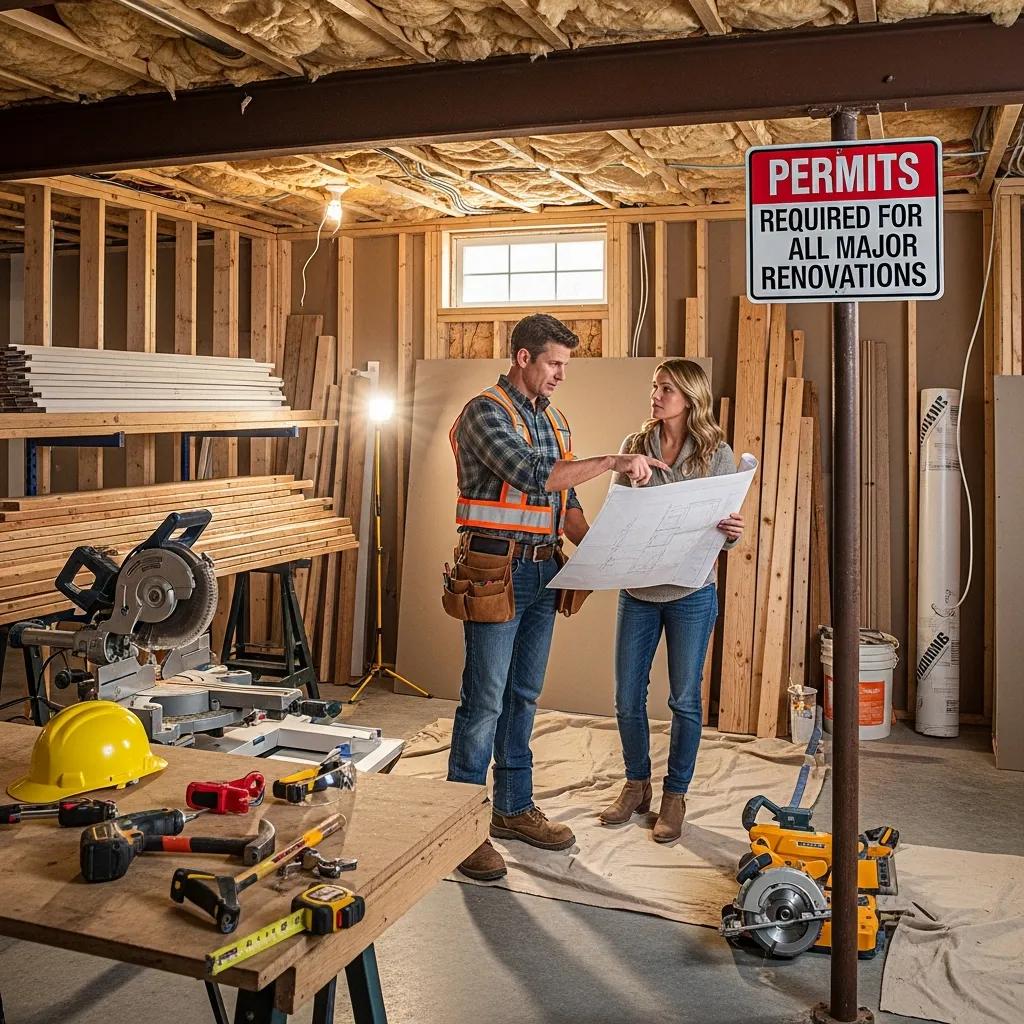
Common basement renovations that typically require permits include:

  1. Structural Changes: Any modifications to load-bearing walls or foundations necessitate a permit to ensure structural integrity.
  2. Electrical Work: Installing new electrical systems or outlets requires permits to comply with safety standards.
  3. Plumbing Installations: Adding bathrooms or wet bars in the basement usually requires plumbing permits to ensure proper drainage and water supply.

How to Navigate the Basement Permit Application Process Step-by-Step?

  1. Research Local Requirements: Check with the local municipality for specific permit requirements related to basement renovations.
  2. Prepare Necessary Documentation: Gather plans, specifications, and any required documentation to support the application.
  3. Submit the Application: Complete and submit the permit application along with the required fees to the local building department.
  4. Schedule Inspections: After obtaining the permit, schedule inspections at various stages of the renovation to ensure compliance with building codes.

Which Home Improvements Offer the Highest Return on Investment with Permits?

Certain home improvements are known to provide a high return on investment (ROI) when completed with the necessary permits. Homeowners should consider these projects to maximize their property’s value.

What Are the Top Permitted Renovations to Maximize Resale Value in 2026?

  1. Kitchen Remodels: Upgrading kitchens with modern appliances and finishes can significantly enhance resale value.
  2. Bathroom Upgrades: Renovating bathrooms with new fixtures and layouts often attracts buyers and increases home value.
  3. Basement Finishing: Converting basements into livable spaces adds square footage and functionality, appealing to potential buyers.

How Do Energy-Efficient Upgrades and Permits Enhance Home Value?

Energy-efficient upgrades, such as installing new windows, insulation, or HVAC systems, not only reduce utility costs but also increase home value. Many buyers prioritize energy efficiency, making homes with these upgrades more attractive. Obtaining permits for these projects ensures compliance with energy codes, further enhancing the property’s marketability.

What Are the Risks and Consequences of Unpermitted Home Renovations?

While some homeowners may be tempted to skip the permitting process, unpermitted renovations can lead to significant risks and consequences. Understanding these implications is crucial for maintaining property value and legal compliance.

How Do Unpermitted Projects Affect Home Value and Insurance?

Unpermitted projects can negatively impact home value and insurance coverage. Appraisers may devalue properties with unpermitted work, leading to lower resale prices. Additionally, insurance companies may refuse to cover damages related to unpermitted renovations, leaving homeowners financially vulnerable in case of accidents or failures.

What Steps Can Homeowners Take to Legalize Unpermitted Work?

  1. Consult Local Authorities: Contact the local building department to understand the process for legalizing unpermitted work.
  2. Obtain Retroactive Permits: Apply for retroactive permits to bring the work up to code.
  3. Schedule Inspections: Arrange for inspections to ensure that the work meets current building standards.

How Can Homeowners Ensure Compliance with Local Building Codes and Regulations?

Ensuring compliance with local building codes and regulations is essential for any home renovation project. Homeowners can take proactive steps to navigate this process effectively.

Homeowners can find local permit information by visiting their municipality’s official website or contacting the building department directly. Many municipalities provide resources outlining the types of projects that require permits and the application process.

Understanding that regulatory compliance is a key part of the permit application process can help homeowners prepare thoroughly.

Building Permit Application & Regulatory Compliance

compliance with the limited use regulations is reviewed concurrently with an application for a building permit

Project Submittal Requirements, 2013

What Are Key Building Codes for Safe and Legal Basement Renovations?

  1. Egress Requirements: Ensuring that basements have proper exits for safety in case of emergencies.
  2. Electrical Codes: Adhering to standards for electrical installations to prevent hazards.
  3. Plumbing Codes: Following regulations for plumbing systems to ensure proper drainage and water supply.

How to Plan and Execute a Permitted Home Improvement Project Successfully?

Planning and executing a permitted home improvement project requires careful consideration and organization. Homeowners can follow best practices to ensure a smooth renovation process.

What Are Best Practices for Working with Contractors on Permitted Projects?

  1. Choose Qualified Contractors: Select contractors with experience in obtaining permits and completing compliant work.
  2. Communicate Clearly: Maintain open communication with contractors to ensure that all aspects of the project align with local regulations.
  3. Review Contracts Thoroughly: Ensure that contracts include provisions for obtaining necessary permits and inspections.

How to Use Structured Documentation and Inspections to Avoid Permit Issues?

  1. Keep Detailed Records: Document all communications, permits, and inspections related to the project.
  2. Schedule Inspections Promptly: Arrange for inspections at key stages of the renovation to ensure compliance with building codes.
  3. Address Issues Immediately: Resolve any issues identified during inspections promptly to avoid delays in the project.
Home ImprovementEstimated ROIPermit Requirement
Kitchen Remodel70-80%Yes
Bathroom Upgrade60-70%Yes
Basement Finishing70-75%Yes
Energy-Efficient Upgrades50-60%Yes

In conclusion, understanding the importance of building permits and their impact on home value is essential for homeowners looking to enhance their properties. By following the necessary steps to obtain permits and ensuring compliance with local regulations, homeowners can maximize their investment and enjoy the benefits of a well-planned renovation.

Frequently Asked Questions

What are the common mistakes homeowners make when applying for building permits?

Homeowners often make several common mistakes when applying for building permits. One frequent error is failing to research local regulations thoroughly, which can lead to incomplete applications. Additionally, not providing all required documentation, such as detailed plans or specifications, can delay the approval process. Some homeowners also underestimate the time needed for permit approval, which can disrupt project timelines. To avoid these pitfalls, it’s essential to consult local building departments and ensure all paperwork is complete and accurate before submission.

How can homeowners find reliable contractors for permitted projects?

Finding reliable contractors for permitted projects involves several steps. Homeowners should start by seeking recommendations from friends, family, or neighbors who have completed similar renovations. Online reviews and ratings on platforms like Yelp or Angie’s List can also provide insights into a contractor’s reputation. It’s crucial to interview multiple contractors, ask for references, and verify their licensing and insurance. Additionally, ensure that the contractor has experience with obtaining permits and understands local building codes to facilitate a smooth renovation process.

What should homeowners do if their permit application is denied?

If a permit application is denied, homeowners should first review the reasons for the denial, which are typically provided in the notification. Common reasons include incomplete documentation or non-compliance with local codes. Homeowners can address these issues by gathering additional information or making necessary adjustments to their plans. It’s advisable to consult with the local building department for guidance on how to rectify the situation. In some cases, homeowners may also appeal the decision or reapply after making the required changes.

Are there specific permits required for outdoor renovations?

Yes, outdoor renovations often require specific permits, depending on the scope of the project. Common outdoor projects that typically need permits include building decks, fences, patios, or swimming pools. Additionally, landscaping changes that involve significant grading or drainage alterations may also require permits. Homeowners should check with their local building department to understand the specific requirements for outdoor renovations, as regulations can vary widely by location. Ensuring compliance with these regulations is essential to avoid fines and ensure safety.

How can homeowners ensure their renovations comply with energy efficiency standards?

To ensure renovations comply with energy efficiency standards, homeowners should familiarize themselves with local energy codes and regulations. This can involve researching guidelines for insulation, windows, HVAC systems, and other energy-related upgrades. Consulting with contractors who specialize in energy-efficient renovations is also beneficial, as they can provide insights into best practices and necessary permits. Additionally, homeowners can consider obtaining a home energy audit before renovations to identify areas for improvement and ensure compliance with energy efficiency standards.

What are the benefits of obtaining retroactive permits for unpermitted work?

Obtaining retroactive permits for unpermitted work offers several benefits. Firstly, it helps legalize the renovations, ensuring compliance with local building codes and regulations, which can protect homeowners from potential fines or legal issues. Additionally, having retroactive permits can enhance the property’s marketability, as buyers are often wary of unpermitted work. It also provides peace of mind, knowing that the renovations meet safety standards. Furthermore, insurance companies may require proof of permits for coverage, making retroactive permits essential for financial protection.