Sustainable Remodeling Guide Denver

Comprehensive Sustainable Remodeling Guide Denver: Expert Energy Efficient Home Renovation Insights
Sustainable remodeling is an essential approach for homeowners looking to enhance their living spaces while minimizing environmental impact. This guide delves into the principles of sustainable remodeling, particularly in the Denver area, where eco-friendly practices are increasingly vital due to the region’s unique climate and environmental challenges. Readers will learn about energy-efficient renovation techniques, the benefits of sustainable practices, and recommendations for using renewable materials. As homeowners face rising energy costs and environmental concerns, sustainable remodeling offers a practical solution that not only improves home comfort but also contributes to long-term savings. This article will cover various aspects, including expert insights on energy-efficient techniques, the benefits of sustainable remodeling, and local incentives available for green renovations.
Comprehensive Guide on Sustainable Remodeling in Denver
Sustainable remodeling refers to the practice of renovating homes in a way that reduces environmental impact while enhancing energy efficiency. In Denver, this approach is particularly relevant due to the city’s commitment to sustainability and the unique challenges posed by its climate. Homeowners can adopt various sustainable practices, such as using renewable materials, improving insulation, and incorporating energy-efficient appliances. These methods not only contribute to a healthier environment but also lead to significant cost savings over time. Understanding the importance of sustainable remodeling in Denver helps homeowners make informed decisions that align with their values and financial goals.
Expert Insights on Energy-Efficient Home Renovation Techniques
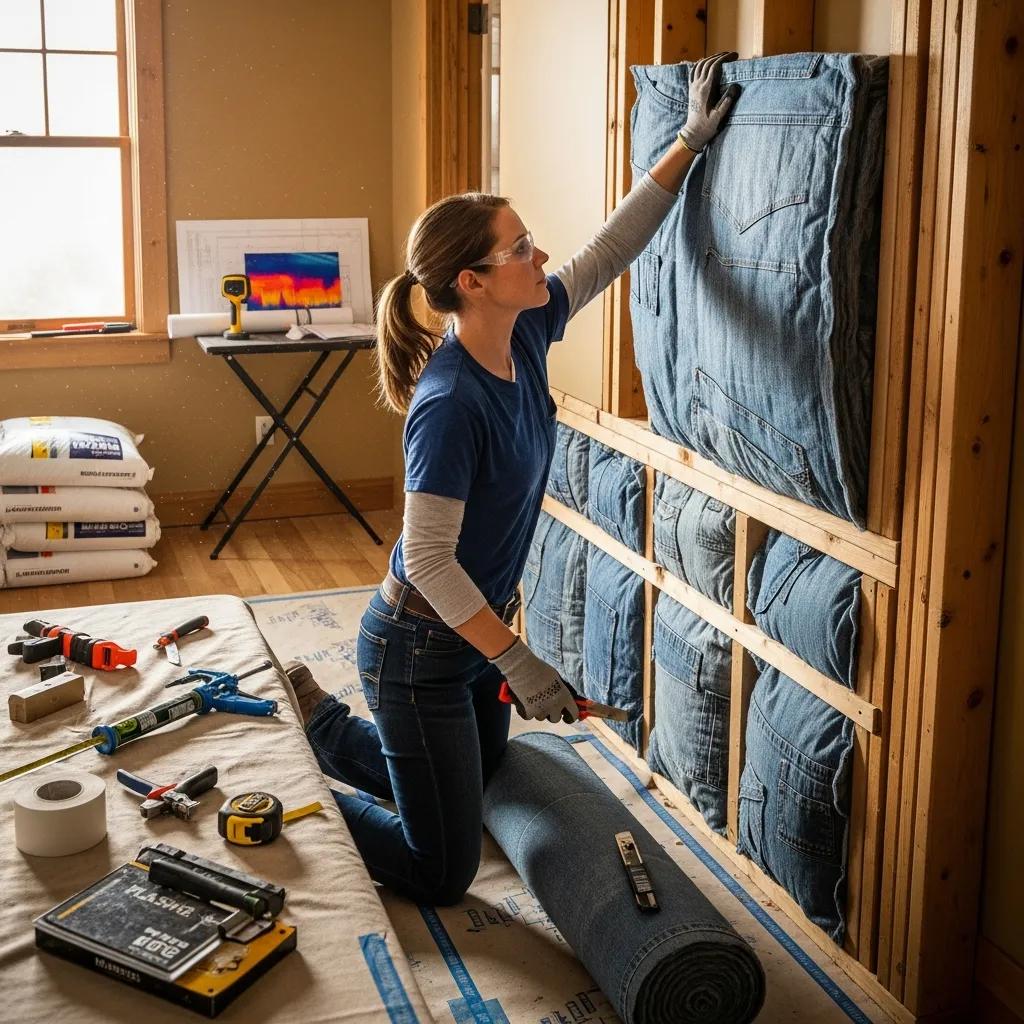
Energy-efficient home renovations focus on reducing energy consumption while maintaining comfort and functionality. Implementing these techniques can significantly lower utility bills and enhance the overall value of a property.
Insulation and Air Sealing
Effective insulation and air sealing are crucial for maintaining a comfortable indoor environment. By using eco-friendly insulation materials such as sheep’s wool, recycled denim, and cellulose, homeowners can improve energy efficiency while minimizing their carbon footprint. Proper air sealing prevents drafts and heat loss, ensuring that homes remain warm in winter and cool in summer.
Lighting and Energy Use
Incorporating energy-efficient lighting solutions, such as LED bulbs and smart technology, can drastically reduce energy consumption. LED lighting not only uses less electricity but also lasts significantly longer than traditional bulbs, making it a cost-effective choice. Smart thermostats further enhance energy efficiency by optimizing heating and cooling schedules based on occupancy patterns.
Moisture Control
Moisture control is essential for preventing mold growth and maintaining indoor air quality. Homeowners can utilize water-based sealants and energy-efficient dehumidifiers to manage humidity levels effectively. These measures not only protect the home but also contribute to a healthier living environment.
Benefits of Sustainable Remodeling
Sustainable remodeling offers numerous advantages that extend beyond environmental impact. Homeowners can experience lower energy bills, increased property value, and a reduced carbon footprint.
- Lower Energy Bills: By implementing energy-efficient upgrades, homeowners can significantly reduce their monthly utility costs.
- Increased Property Value: Sustainable homes often attract higher resale values, as buyers are increasingly looking for energy-efficient features.
- Reduced Environmental Impact: Sustainable remodeling practices contribute to a healthier planet by minimizing waste and conserving resources.
Mile High Renovation specializes in sustainable remodeling solutions tailored to homeowners in the Denver Metro Area, providing expertise in eco-friendly and green remodeling projects that emphasize energy efficiency and responsible construction practices.
Environmentally Friendly Design Practices
Incorporating environmentally friendly design practices is essential for achieving sustainable remodeling goals. Homeowners can choose sustainable flooring options, such as bamboo and reclaimed wood, which not only enhance aesthetics but also reduce environmental impact. Additionally, integrating smart technology into home designs can optimize energy use and improve overall efficiency.
Recommendations for Renewable and Low-Impact Materials

When selecting materials for sustainable remodeling, homeowners should consider renewable and low-impact options. The following table compares various sustainable materials and their benefits:
These materials not only contribute to a sustainable home but also enhance its aesthetic appeal and functionality.
Further emphasizing the critical role of material selection, research highlights how sustainable materials are fundamental to achieving significant energy efficiency in buildings.
Sustainable Materials for Building Energy Efficiency
Energy efficiency implies consuming less energy by a building for its functioning. It can also be defined as eliminating energy waste. Buildings use about 40% of global energy, which is highest compared with other sectors. Energy consumption in buildings can be reduced by 30% to 80% with the help of proven and commercially available energy-efficient technologies. Furthermore, construction materials also play an important role in achieving energy efficiency in buildings. Apart from the energy-efficient building designs and use of renewable energy systems, the use of materials that consume less energy during its production is also crucial. Better building material selection and energy-efficient characteristics of building materials can reduce the emission of greenhouse gases and reduce the energy consumption. This paper reviews various research approaches for achieving energy efficiency in buildings using sustainable materials.
Imbibing energy efficiency in buildings through sustainable materials—a review, PM Rathnam, 2022
Denver Incentives for Green Renovations
Homeowners in Denver can take advantage of various incentives for green renovations, making sustainable remodeling more accessible. Some of the available incentives include:
- Xcel Energy Rebates: Financial incentives for energy-efficient upgrades.
- Federal Tax Credits: Tax benefits for homeowners who invest in renewable energy systems.
- Denver Green Roof Initiative: Support for installing green roofs that improve energy efficiency and reduce urban heat.
The Denver Green Roof Initiative, for example, aligns with broader research demonstrating how green roofs contribute to building energy efficiency and can even lead to reduced HVAC system sizing.
Green Roofs: Energy Efficiency & HVAC Savings
Lastly, the size reduction of air conditioners due to building energy efficiency improvements from green roofs was considered. The sizing of a building’s heating, ventilating, and air
Scaling of economic benefits from green roof implementation in Washington,
DC, C Clark, 2010
What Are the Key Benefits of Sustainable Remodeling in Denver?
The key benefits of sustainable remodeling in Denver include significant environmental impact reduction, cost savings, and enhanced energy efficiency. Homeowners can enjoy lower utility bills while contributing to a healthier environment. Additionally, sustainable remodeling practices often lead to increased property values, making them a wise investment for homeowners.
How Does Energy Efficiency Enhance Home Comfort and Value?
Energy efficiency plays a crucial role in enhancing home comfort and value. Improved insulation and energy-efficient appliances create a more comfortable living environment by maintaining consistent temperatures. Furthermore, homes with energy-efficient features often command higher market values, as buyers are increasingly prioritizing sustainability in their purchasing decisions.
What Environmental Advantages Do Eco Friendly Home Upgrades Provide?
Eco-friendly home upgrades offer several environmental advantages, including:
- Lower Energy Bills: Energy-efficient upgrades reduce overall energy consumption.
- Increased Property Value: Sustainable features can enhance resale value.
- Reduced Environmental Impact: Eco-friendly practices contribute to a healthier planet.
Which Renewable and Low Impact Materials Are Ideal for Denver Home Renovations?
Ideal materials for sustainable renovations in Denver include:
- Insulation Options: Eco-friendly materials like cellulose and recycled denim.
- Flooring Choices: Bamboo and reclaimed wood for sustainable aesthetics.
- Paints and Sealants: Low-VOC options that improve indoor air quality.
How Do Renewable Materials Contribute to Long-Term Energy Savings?
Renewable materials contribute to long-term energy savings by enhancing insulation and reducing energy consumption. For instance, using bamboo flooring not only provides a sustainable option but also helps maintain indoor temperatures, leading to lower heating and cooling costs over time.
How Can Denver Homeowners Navigate Local Incentives and Regulations for Green Remodeling?
Navigating local incentives and regulations for green remodeling can be complex. Homeowners are encouraged to consult licensed contractors who are familiar with local codes and requirements. Staying informed about current regulations and available incentives can help homeowners maximize their investment in sustainable remodeling.
What Are the Current Denver Metro Area Incentives for Sustainable Home Renovation?
Current incentives available for homeowners in the Denver Metro Area include:
- Xcel Energy Rebates: Financial support for energy-efficient upgrades.
- Federal Tax Credits: Tax benefits for renewable energy investments.
- Denver Green Roof Initiative: Assistance for installing green roofs.
How Do LEED and Energy Star Certifications Impact Remodeling Projects?
LEED and Energy Star certifications significantly impact remodeling projects by providing guidelines for sustainable practices. Homes that achieve these certifications often benefit from increased marketability and potential financial incentives, making them attractive options for environmentally conscious buyers.